
Mental health care has changed significantly in recent years. Although traditional, in-person treatment remains valuable, it is no longer the only way for people to receive professional psychiatric support. Telehealth has created new opportunities for patients who previously struggled to access care because of distance, transportation difficulties, demanding schedules, health limitations, or concerns about privacy.
Psychiatry is particularly well suited to virtual care because many appointments focus on conversation, assessment, treatment planning, and medication monitoring. Patients can now meet with qualified psychiatric professionals from a private location without traveling to an office. This flexibility can make it easier to begin treatment and remain consistent with follow-up appointments.
Understanding how online psychiatric care works can help individuals decide whether it may be an appropriate option for their mental health needs.
What Is Online Psychiatry?
Online psychiatry is the delivery of psychiatric evaluation and treatment through secure video appointments and other approved telehealth technology. Instead of visiting a psychiatric provider’s physical office, the patient attends the appointment using a computer, tablet, or smartphone.
During an online psychiatric appointment, the provider may discuss the patient’s symptoms, health history, current medications, sleep patterns, mood, daily functioning, and treatment goals. When clinically appropriate and legally permitted, the provider may prescribe medication and schedule follow-up visits to evaluate its effects.
Psychiatry differs from general counseling because psychiatric providers have medical training that allows them to assess the biological, psychological, and environmental factors that may contribute to a person’s symptoms. Depending on their credentials and jurisdiction, these professionals may include psychiatrists, psychiatric mental health nurse practitioners, and other qualified prescribers.
People interested in receiving professional mental health treatment remotely can explore online psychiatry services to learn more about psychiatric evaluations, medication management, and virtual follow-up care.

Conditions That May Be Addressed Through Online Psychiatry
Online psychiatric care may be used to evaluate and manage a wide range of mental health conditions. The appropriateness of telehealth depends on the patient’s symptoms, medical history, safety considerations, and individual circumstances.
Conditions commonly addressed through psychiatric care may include:
- Depression
- Anxiety disorders
- Panic disorder
- Obsessive-compulsive disorder
- Attention-deficit/hyperactivity disorder
- Post-traumatic stress disorder
- Bipolar disorder
- Sleep problems related to mental health
- Certain mood and adjustment disorders
A psychiatric provider does not simply match a symptom with a medication. A proper evaluation considers when the symptoms began, how severe they are, how frequently they occur, and how much they interfere with work, relationships, sleep, and everyday responsibilities.
The provider may also consider physical health conditions, previous diagnoses, substance use, family history, and medications prescribed by other clinicians. This broader assessment is important because several medical issues and medications can produce symptoms that resemble psychiatric conditions.
The Initial Psychiatric Evaluation
The first online psychiatry appointment is usually more detailed than a routine follow-up. Its purpose is to help the provider understand the patient’s concerns, establish an initial clinical picture, and recommend an appropriate course of treatment.
Patients may be asked about their current symptoms and how those symptoms affect daily life. The provider may also ask about previous mental health treatment, hospitalizations, medication experiences, allergies, physical health conditions, and relevant family history.
Questions about sleep, appetite, concentration, energy, stress, and substance use are also common. Although some questions may feel personal, honest answers allow the provider to make better-informed recommendations.
The patient also has an opportunity to ask questions. Useful questions may include:
- What conditions are being considered?
- Are there non-medication treatment options?
- What benefits might the recommended medication provide?
- What side effects should be monitored?
- How long might it take to notice an improvement?
- When should the next appointment take place?
- Who should be contacted if symptoms worsen?
One appointment does not always produce a final diagnosis. Some conditions have overlapping symptoms, and a provider may need time to observe patterns, review records, or evaluate the patient’s response to initial treatment.
How Psychiatric Medication Management Works
Medication management is an ongoing process rather than a single prescription. A psychiatric medication may need to be adjusted based on how effectively it reduces symptoms, whether it causes side effects, and how the patient’s health or circumstances change over time.
At follow-up appointments, the provider may ask whether the patient has noticed changes in mood, anxiety, sleep, concentration, energy, or daily functioning. The provider may also review whether doses have been taken consistently and whether the patient has started any new medications or supplements.
Depending on the response, the provider may continue the current treatment, modify the dose, change the time at which the medication is taken, or recommend a different option. In some cases, the provider may determine that medication is not necessary or that another form of treatment should be emphasized.
Regular monitoring is especially important when a medication is first introduced or adjusted. Patients should not independently increase, decrease, or discontinue a psychiatric medication without consulting the prescribing professional. Some medications may cause withdrawal symptoms or a recurrence of symptoms when stopped abruptly.

The Benefits of Receiving Psychiatric Care Online
Convenience is one of the most visible advantages of telepsychiatry, but the potential benefits extend beyond avoiding a commute.
Improved Access to Providers
People who live in rural or under served areas may have limited access to psychiatric professionals. Virtual appointments can connect patients with providers located elsewhere in the state, subject to professional licensing requirements.
Online care may also benefit people who do not drive, have mobility limitations, lack reliable transportation, or have responsibilities that make office visits difficult.
Easier Scheduling
Traveling to an appointment may require a patient to take several hours away from work or family responsibilities. A virtual appointment can often be completed from home or another private location, making it easier to fit care into a busy schedule.
This convenience may improve appointment attendance and treatment consistency. Regular follow-up care is essential when monitoring symptoms and psychiatric medications.
Greater Privacy
Some patients feel uncomfortable entering a mental health clinic because they are concerned about stigma or being seen by someone they know. Online appointments can offer a greater sense of privacy because the patient can participate from a location of their choice.
Telehealth visits should still occur in a quiet, confidential space. Sitting in a parked car or using a private room may be preferable to joining the appointment from a workplace, shared living area, or public location.
Familiar Surroundings
Discussing emotional or psychiatric symptoms can be difficult. Some patients feel more comfortable speaking from their own homes rather than an unfamiliar clinical office. This sense of comfort may help them communicate more openly with the provider.
Continuity of Care
Online follow-up visits can help patients maintain contact with their psychiatric provider when temporary transportation issues, minor illnesses, work demands, or other obstacles make an office visit difficult. Greater continuity allows the provider to identify changes before they become more disruptive.
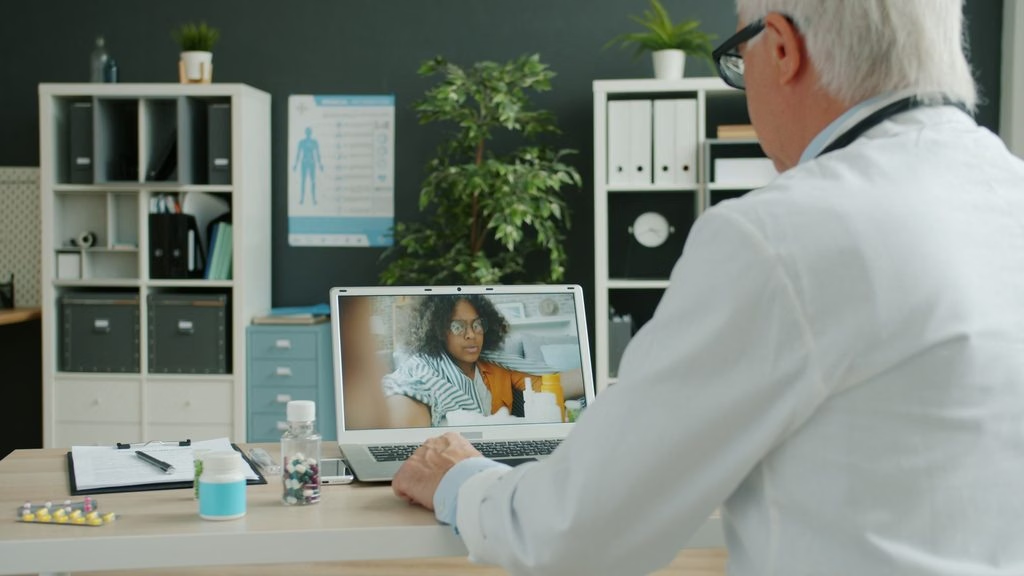
Technology and Privacy Considerations
Patients do not usually need advanced technology to attend a virtual psychiatric appointment. A device with a camera, microphone, and stable internet connection is generally sufficient. However, testing the device before the first appointment can prevent unnecessary delays.
Patients should confirm that their camera and microphone work, charge the device, and install any required application in advance. Headphones can improve privacy and make the conversation easier to hear.
A strong internet connection is also important. If the video connection fails, the patient should know whether the practice will reconnect, continue by telephone when appropriate, or reschedule the appointment.
Reputable mental health practices use secure telehealth systems designed to protect patient information. Patients can further support privacy by avoiding public Wi-Fi, using a private room, and preventing smart speakers or other recording devices from capturing the conversation.
Preparing for an Online Psychiatry Appointment
Preparation can help patients use their appointment time effectively. Before the visit, it may be useful to write down the main symptoms, when they began, what makes them better or worse, and how they affect daily activities.
Patients should also prepare an accurate list of:
- Current prescription medications
- Over-the-counter medications
- Vitamins and supplements
- Medication allergies
- Previous psychiatric medications
- Significant medical conditions
- Contact information for other relevant providers
If a previous medication was stopped, the provider may want to know why. The medication may have been ineffective, produced an unwanted side effect, or become difficult to afford. These details can influence future treatment recommendations.
Patients may also benefit from keeping a brief symptom journal. Recording sleep, mood, anxiety, medication use, and notable side effects can provide more reliable information than trying to remember several weeks of experiences during one appointment.
Combining Medication With Therapy and Healthy Habits
Psychiatric medication can be an important component of mental health treatment, but it is not always the only component. Many people benefit from combining medication management with psychotherapy, behavioral changes, supportive relationships, and healthy daily routines.
Therapy may help patients recognize patterns, develop coping strategies, process difficult experiences, and improve communication. Depending on the condition, a provider may recommend cognitive behavioral therapy, trauma-informed treatment, interpersonal therapy, or another evidence-based approach.
Daily habits can also influence emotional well-being. Consistent sleep, appropriate physical activity, balanced nutrition, stress management, and reduced alcohol or recreational drug use may support treatment. These practices are not substitutes for professional care, but they can complement a broader treatment plan.
Collaboration among providers may be beneficial when a patient receives therapy and psychiatric care from different professionals. With the patient’s permission, the therapist and psychiatric provider may share relevant information to coordinate treatment.
The Importance of Honest Communication
Successful psychiatric care depends heavily on communication. Patients should tell their providers about side effects, missed doses, worsening symptoms, or concerns about treatment. Withholding information can make it more difficult to determine whether a medication is working safely.
Patients should also mention financial or practical barriers. If a medication is too expensive, difficult to obtain, or incompatible with a work schedule, the provider may be able to consider alternatives.
It is equally important to discuss the use of alcohol, cannabis, supplements, and other substances. These products may interact with medications or affect psychiatric symptoms. The purpose of disclosing this information is to improve safety and clinical decision-making, not to invite judgment.
When In-Person or Emergency Care May Be Necessary
Online psychiatry is useful for many patients, but it is not appropriate for every situation. A provider may recommend an in-person evaluation when a physical examination, laboratory testing, more intensive monitoring, or a higher level of care is required.
Telepsychiatry is also not a substitute for emergency intervention. Someone experiencing an immediate risk of self-harm, harm to another person, a suspected overdose, severe confusion, or another urgent psychiatric crisis should call 911, contact the 988 Suicide & Crisis Lifeline in the United States, or go to the nearest emergency department.
Patients should ask their provider what to do if symptoms become significantly worse between scheduled appointments. Having a crisis plan in place can help the patient and family members respond quickly when urgent support is needed.
Choosing an Online Psychiatry Provider
Patients should verify that a provider is appropriately licensed to practice in the state where the patient will be physically located during appointments. It is also helpful to ask whether the provider has experience treating the condition or symptoms involved.
Other practical questions include:
- Does the practice accept the patient’s insurance?
- What are the self-pay rates?
- How are prescription refills handled?
- How often are follow-up appointments scheduled?
- What happens if an appointment is missed?
- Can the practice coordinate with a therapist or primary care physician?
- What technology is required?
- How can the provider be contacted between appointments?
A productive provider-patient relationship should allow room for questions. Patients should understand the purpose of the treatment plan and feel that their concerns are being taken seriously.
A More Flexible Path to Mental Health Treatment
Online psychiatry has made professional mental health support more accessible to people who might otherwise postpone or discontinue care. By eliminating travel and providing greater scheduling flexibility, telehealth can reduce several common barriers to psychiatric treatment.
Virtual care still requires the same basic elements as effective in-person treatment: a thorough assessment, an individualized plan, honest communication, appropriate medication monitoring, and consistent follow-up. Technology changes where the appointment occurs, but it does not replace the professional judgment or patient participation required for responsible care.
For individuals experiencing persistent changes in mood, anxiety, sleep, concentration, or daily functioning, speaking with a qualified mental health professional can be an important first step. With the growing availability of online psychiatric care, receiving an evaluation may now be more practical, private, and convenient than ever before.
This article is intended for general educational purposes and does not provide medical advice, diagnosis, or treatment. Individuals should consult a qualified healthcare professional about their specific needs.