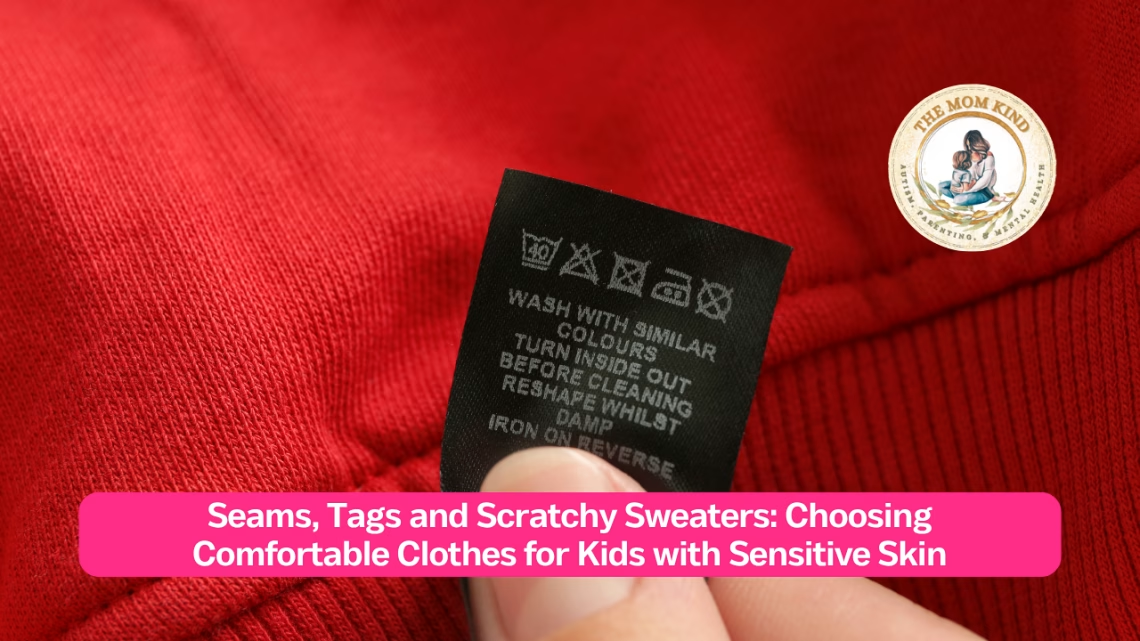
Some mornings, the hardest part of the day is a shirt.
The tag scratches. The sock seam sits wrong across the toes. The new sweater looked soft in the store, and now it’s off and on the floor before breakfast. If you’ve lived this, you know it isn’t about being picky. For a lot of kids, how clothes feel matters more than how they look.
I’m Minesh, a dad and the founder of Eczema Honey, a small family company that makes gentle skin care for eczema-prone skin. I’m not an occupational therapist and I’m not a sensory expert. But I hear from a lot of parents, and one pattern keeps coming up: the kids who fight their clothes are often the same kids with dry, itchy, easily irritated skin.
Below are the simple, low-cost changes that tend to make getting dressed less of a battle. Most of them you can try this week.
Why seams, tags and rough fabrics bother sensitive skin
There are really two things going on, and they often overlap.
The first is sensory sensitivity. Some children notice touch more intensely than the rest of us. A seam we never feel can be distracting, uncomfortable or upsetting to them. The Mom Kind has a great list of tips for dressing sensory sensitive children, including patience, routine and letting kids help choose. I’d start there if this is new to you.
The second is skin that is easily irritated. Kids with eczema-prone skin have a skin barrier that loses moisture easily, so friction, heat and sweat can leave them itchy and uncomfortable. A rough tag rubbing the back of the neck all day isn’t just annoying. It can mean a red, scratched patch by bedtime.
When both are going on, clothing becomes a big deal. The good news is that the same fixes help with both.
Pick gentler fabrics (and know which ones to watch)
The American Academy of Dermatology’s skin care tips for eczema are a helpful starting point for families. Dermatologists there recommend loose-fitting, 100% cotton clothing, avoiding tight clothes and never wearing wool next to the skin.
In practice, that looks like:
- Soft cotton first. Worn-in cotton t-shirts, leggings and pajamas are often the safest bet. Many kids have a favorite shirt because it’s been washed a hundred times and finally feels right.
- Wool goes on top, not against skin. If your child needs a warm sweater, put a soft cotton layer underneath so the wool never touches bare skin.
- Watch rough synthetics and scratchy trims. Stiff polyester, glittery appliqués, lace edges and elastic that digs in can all rub. Run the inside of the garment across the inside of your wrist. If it feels scratchy to you, it will probably feel worse to your child.
- Think loose, not tight. Snug collars, cuffs and waistbands trap heat and add friction. Overheating and sweat can make itchy skin feel worse, so breathable layers you can peel off are your friend.
If you want to go deeper, our team put together a full guide to the best fabrics for eczema-prone skin that walks through cotton, lyocell, silk and the fabrics to be careful with.
Easy fixes for seams and tags
You don’t need a whole new wardrobe. A few small changes go a long way:
- Buy tagless when you can. Many brands now print the label right on the fabric.
- Remove tags carefully. Cut close to the seam, or use a seam ripper to take the whole tag out. A short leftover stub can feel even sharper than the tag itself.
- Look for flat seams. Flat or “flatlock” seams lie smoother against the skin than thick, raised ones.
- Try inside out. For pajamas and undershirts, wearing them inside out puts the seams on the outside. It’s not a fashion statement, but at home, who cares?
- Cover a seam that still bothers them. The AAD suggests covering irritating seams with silk. A soft fabric strip or a smooth undershirt layer can do the job.
- Mind the socks. Seamless socks, or simply turning socks inside out, can end a lot of shoe-time standoffs.
Wash new clothes first, and keep laundry simple
New clothes often feel stiff for a reason: they can carry extra dyes and fabric finishes. The AAD recommends washing new clothes before wearing them, and using a laundry detergent that is fragrance-free and dye-free.
A few habits that help:
- Choose “fragrance-free,” not just “unscented.” Unscented products can still contain a masking fragrance.
- Skip scented fabric softeners and dryer sheets. If you want softness, look for a fragrance-free option.
- Use the right amount of detergent and a full rinse, so less residue stays in the fabric.
- Wash in batches before school starts or a growth spurt hits, so new clothes are ready (and softer) by the time your child needs them.
Make getting dressed predictable
Comfort isn’t only about fabric. Kids who are sensitive to touch often do better when there are fewer surprises.
- Keep a small rotation of “safe” outfits that you know work.
- Let your child feel and approve new clothes at home before the first school day in them.
- Lay clothes out the night before, so mornings involve fewer decisions.
- Moisturize dry areas after the evening bath, not right before getting dressed, so skin isn’t sticky under clothes.
When to loop in a professional
Simple changes help a lot of families, but they aren’t the whole answer for every child. Please reach out to your child’s care team if:
- clothing struggles are getting in the way of school, sleep or daily routines, or lead to frequent meltdowns. An occupational therapist can assess sensory needs and build a plan that fits your child.
- your child’s skin is red, cracked, oozing or itchy enough to disturb sleep. Talk with your pediatrician or a board-certified dermatologist.
- you suspect a reaction to a specific fabric, dye or detergent. A dermatologist can help figure out what’s going on.
You know your child best. Bring what you’ve noticed (which clothes, which spots, what time of day) to those appointments. It really helps.
The bottom line
Getting dressed shouldn’t feel like a fight every morning. Soft cotton, fewer tags, flatter seams, fragrance-free laundry and a predictable routine are small changes that can add up to calmer mornings for our kids, and for us. Start with one or two, see what your child responds to, and build from there.
About the author: Minesh Patel is a dad and the founder of Eczema Honey, a family-owned company in Santa Rosa, California, that makes gentle skin care for eczema-prone and sensitive skin. He writes about practical, everyday comfort for families living with dry, itchy skin.