

Key Takeaways
- Movement can improve attention, working memory, and learning readiness by helping children with ADHD regulate into a more focused state.
- Short, structured movement breaks throughout the day can reset attention and support better participation during learning tasks.
- Movement strategies are most effective when they’re personalized to a child’s individual needs, preferences, and responses.
Addressing the needs of children with ADHD requires a holistic, neurocognitively aware approach. While direct teaching is emphasized, many strategies fail to include a vital element: movement.
Far from being a mere distraction or break, movement can serve as a powerful tool to enhance attention and improve overall learning readiness.
This article will explore how integrating intentional movement into daily routines can transform your child’s educational experience and offer practical strategies for incorporating activity into their lives.
The Importance of Movement for ADHD
The brain and physical body are deeply connected. This connection means movement can boost arousal in ways that support:
- Attention
- Working memory
- Information processing
Moving helps children with ADHD activate their neural pathways, which enhances focus. It also serves as a regulatory tool, shifting children from hyperactive or inattentive states to alert, focused learning states.
The movement discussed isn’t just “exercise.” Everyday physical activity, whether intentional or spontaneous, can influence how ready students are to learn and help them transition smoothly into tasks.

Easy Methods for Blending Movement and Education
Integrating movement doesn’t mean major changes or complex planning. It’s about making small, intentional adjustments that are sustainable for supporting focus and participation.
Achieving this goal requires parents and teachers to collaborate in helping kids with ADHD see movement as a learning support. Here are some useful strategies.
- Build Movement Into Routines
A simple way to incorporate movement into your child’s routine is to start their day with a quick warm-up. Physical activity first thing in the morning sets a positive tone and prepares the brain for learning.
Throughout the day, you can introduce short, 5-15-minute movement breaks after 20-30 minutes of lessons to reset attention. This active transition between subjects re-engages the kids and helps them concentrate better.
- Choose Approachable Movement Formats
Low-threshold activities can help children regulate their energy without disrupting others, making them an excellent addition to their learning plan.
- Wall pushes
- Seated torso twists
- Gentle shoulder rolls
- Chair-based movements
- Toe curls or foot stretches
- Foot tapping under the desk
- Hand squeezes or finger stretches
- Stretching arms overhead while seated
These options are straightforward to include and need minimal room or tools.
Both energizing and relaxing, movement breaks promote focus, participation, and positive feelings. Anyone hesitant to begin should feel comforted that there is no wrong way to do this. Plus, once a movement activity is introduced, it can be simplified, made more difficult, shortened, lengthened, individualized, or inclusive depending on the responsiveness of the students.
For longer learning periods, active approaches can boost energy and maintain student engagement effectively. Such activities include:
- Short runs
- Classroom yoga
- Station rotations with physical tasks
- Tie Movement to Learning Goals
Use movement to reinforce memory tasks and make learning multisensory and memorable. Some examples include:
- Acting out vocabulary words with gestures
- Engaging in dance or rhythm activities to memorize concepts
- Playing mnemonic games that involve physical movements
- Using hand movements to illustrate letter structures during handwriting practice
In addition, pair movement breaks with transitions between subjects to reset attention, helping children shift gears smoothly and approach new topics with mental sharpness.
- After-School and Extracurricular Activities
Incorporating movement into after-school and extracurricular activities provides valuable outlets for children with ADHD to burn off excess energy and develop their social skills outside of school.
Examples of activities that promote physical health while supporting emotional regulation include:
- Sports
- Active play
- Martial arts
- Dance classes
Key Pitfalls and Tips for Effective Movement Use
Although movement is helpful, errors can compromise its effectiveness. Here are some pitfalls to watch for.
- Movement as Distraction
One common pitfall is treating movement purely as a distraction rather than a learning tool. When children with ADHD are allowed to move excessively or without guidance, it can interfere with focus and task completion.
To keep movement productive, do the following:
- Set clear boundaries for movement that support learning.
- Pair movement with targeted academic goals.
- Incorporate brief, structured breaks during tasks to enhance focus.
- One-Size-Fits-All Approaches
Assuming all students with ADHD respond the same way neglects individual neurodiversity, since movement needs and preferences vary widely. A rigid, one-size-fits-all routine may help some but hinder others’ participation.
To better support students, modify movement activities based on individual preferences and responses. Use adaptable options to match their learning styles and sensory needs. ADHD teaching strategies that benefit all students should be flexible and personalized.
- Overemphasis on Cardio Alone
Emphasizing just high-intensity cardio could overlook other movement forms that are equally advantageous for children with ADHD. Although cardio enhances energy, it might overstimulate some kids.
Balance active movements with calming activities such as these to create a well-rounded approach:
- Yoga
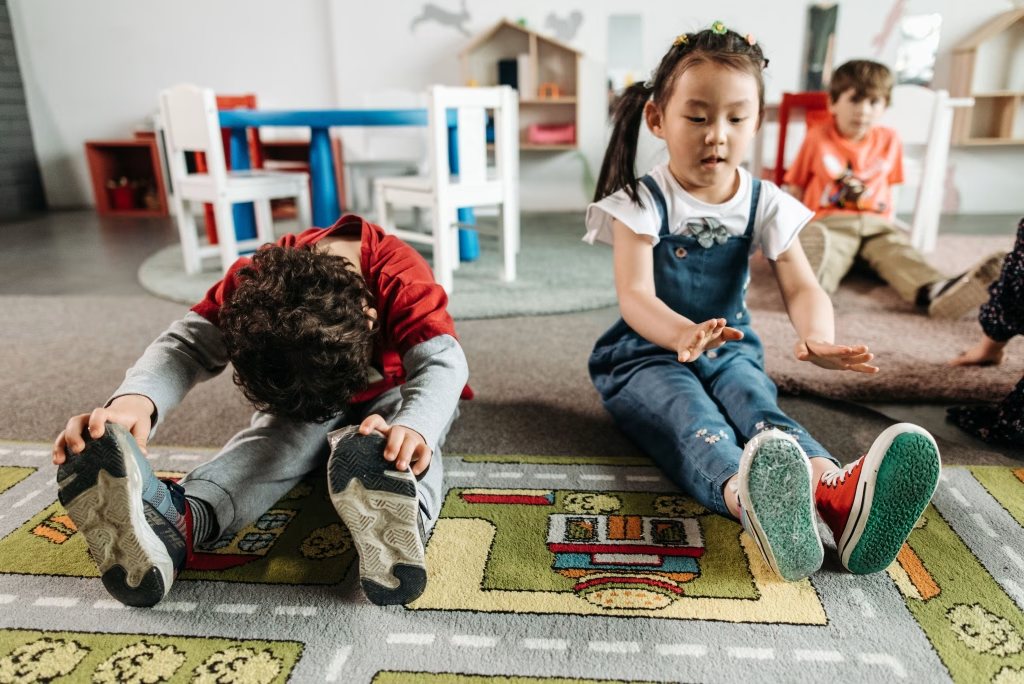
- Stretching
- Short mindfulness breaks
Pairing movement with a sensory-supportive environment can further help children regulate attention and transitions. Explore tips for creating a sensory-friendly space that supports focus and comfort at home
Monitoring Impact and Adjusting the Plan
Continual evaluation helps optimize movement approaches. Here are some techniques for impact assessment.
- Simple Progress Checks
Track the following metrics before and after movement:
- On-task time
- Transition smoothness
- Task completion
Remember to ask children for their feedback on how they feel during breaks.
- Using Data to Guide Changes
Adjust movement duration and type based on observed focus and fatigue levels. Rotate modalities, like switching from standing to seated activities, to find what works best for each child.
- Team Collaboration for Movement Strategies
A team approach involving teachers, parents, and therapists is vital to improve movement strategies, with proper documentation and alignment to IEP/504 considerations.
Conclusion
Movement functions as a practical, scientifically supported way to boost learning readiness and engagement in children with ADHD.
Thoughtfully integrating movement into routines, monitoring outcomes, and fostering collaboration can create a dynamic learning environment that respects each child’s regulation needs.
Together, these approaches can transform challenges into opportunities for growth and success in every child’s educational journey. Most importantly, have fun! Fun is learning!


